The Value of Electronics Recycling: Maintaining the Ecosystem and Your Local Area
Electronics recycling serves an important function in environmental protection and the health of the community. The improper disposal of electronic waste creates serious risks, including toxic pollution and depletion of natural resources. By salvaging precious materials, recycling can lessen these risks and aid sustainable actions. Yet, many people remain unaware of the proper disposal pathways. Understanding the value of responsible recycling is important as communities grapple with growing e-waste challenges. What steps can be followed to encourage better recycling habits?
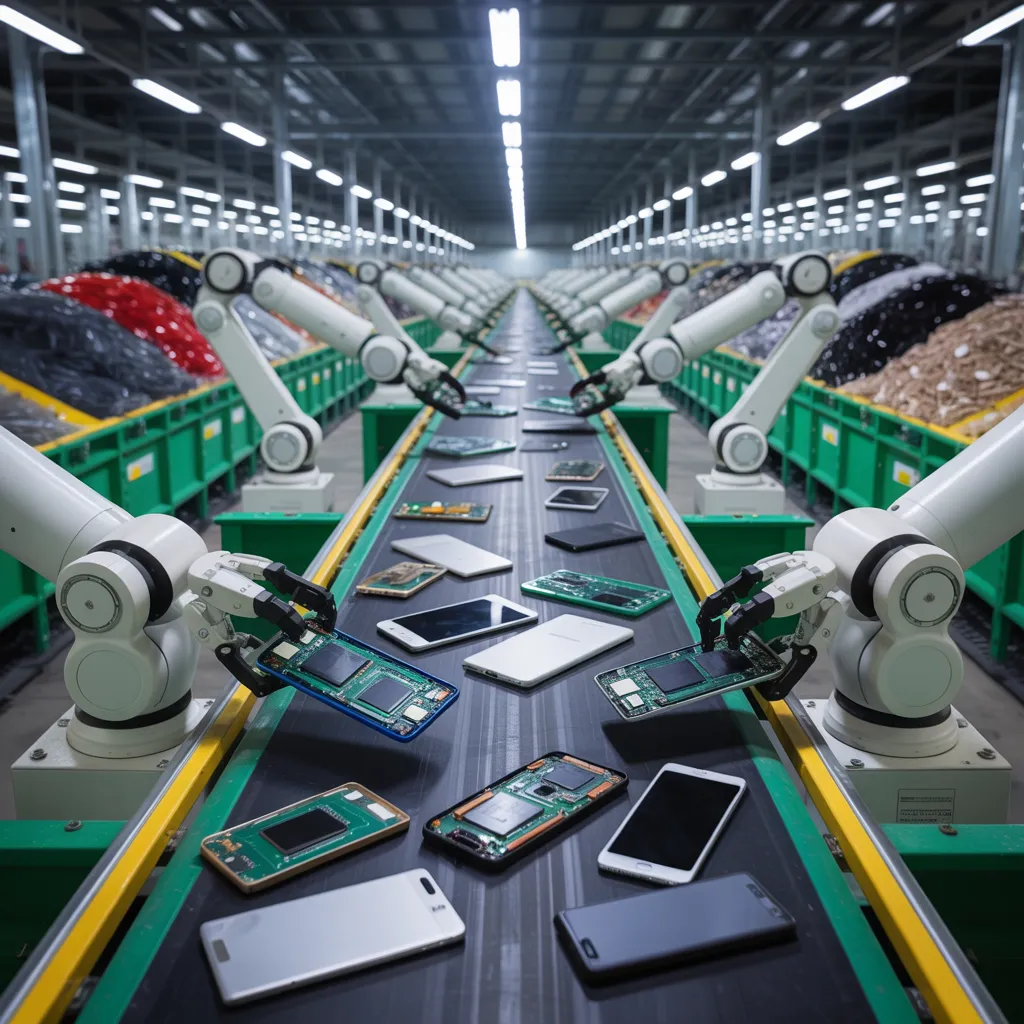
Electronics Recycling: Why It Matters
Electronics reprocessing plays an crucial part in tackling ecological challenges. With the rapid advancement of technology, e-waste has turned into one of the most rapidly expanding waste streams globally. By reusing electronics, precious materials such as metal compounds, plastic materials, and glass can be recovered and repurposed, decreasing the demand for extraction and manufacturing new products. This procedure preserves environmental assets and reduces energy usage, which in turn lowers greenhouse gas emissions.
Furthermore, electronics reprocessing stops dangerous substances present in devices, such as lead, mercury, and cadmium, from polluting soil and water. Correct recycling processes guarantee that these substances are handled safely, protecting both environments and human health. Additionally, promoting recycling initiatives cultivates community understanding about sustainability, promoting responsible use and disposal practices. In this manner, electronics recycling not only mitigates environmental impact but also supports a circular economy, paving the way for a more eco-friendly future.
The Risks of Improper Electronic Waste Disposal
Incorrect disposal of e-waste creates significant threats to both the environment and community wellness. When electronics are discarded in waste sites, harmful substances such as lead, mercury, and cadmium can leach into the earth and groundwater, polluting local habitats. This not only endangers wildlife but also presents critical safety concerns to populations dependent on affected water sources.
Furthermore, incinerating electronic waste releases toxic fumes, causing atmospheric contamination and respiratory issues among local communities. The buildup of electronic waste in landfills also worsens the increasing challenge of waste management, taxing municipal resources.
Furthermore, improper disposal deprives communities of the chance to reclaim valuable materials and reduces total waste management capacity. As the volume of electronic devices continues to rise, the hazards tied to their improper disposal become more pressing, underlining the urgent need for proper recycling procedures.
Materials Extracted Via Electronics Recycling
Electronics recycling plays a critical role in resource recovery by recovering precious resources such as metals and plastics. This procedure significantly decreases landfill waste, promoting a more sustainable method to electronic waste management. Additionally, processing electronic devices conserves energy, supporting environmental protection and resource efficiency.
Worthwhile Material Recovery
Recycling electronic devices reveals a rich source of key materials that can be recycled for a variety of purposes. These materials consist of precious metals such as gold, silver, and palladium, frequently found in circuit boards and connectors. Additionally, aluminum and copper are often extracted from casings and wiring, providing materials for manufacturing new products. Rare earth elements, necessary for advanced technologies, can also be recovered, reducing the need for environmentally damaging mining practices. By retrieving these materials, electronics recycling not only protects natural resources but also minimizes the energy consumption involved in producing new materials. Ultimately, this process fosters a circular economy, encouraging sustainable practices while addressing the demand for critical components in modern technology.
Reducing Landfill Waste
Repurposing discarded electronics into useful resources significantly decreases landfill waste. When electronic devices are reprocessed, precious materials such as metals, plastics, and glass are retrieved, minimizing the need for new raw materials. This process not only preserves natural resources but also considerably decreases the volume of waste sent to landfills. Electronics contain hazardous substances that can contaminate the environment, posing risks to soil and water quality. By recycling, communities can mitigate these dangers while promoting sustainability. Furthermore, electronics recycling programs promote responsible disposal practices, cultivating a culture of environmental stewardship. Ultimately, decreasing landfill waste through electronics recycling advantages both the planet and local communities, paving the way for a cleaner, healthier future.
Energy Conservation Benefits
Recovering valuable resources by means of electronics recycling significantly supports energy conservation. By recovering metals like gold, copper, and aluminum, the energy necessary for mining and processing virgin materials is notably lowered. For instance, recycling aluminum saves up to 95% of the energy compared to producing it from raw ore. Furthermore, reclaiming plastics and other materials reduces the need for fossil fuels, which further lowers energy consumption. Furthermore, the recycling process cuts greenhouse gas emissions that come from resource extraction and manufacturing. Communities involved in electronics recycling efforts not only conserve energy but also foster sustainable practices. Together, these efforts cultivate a healthier environment and stress the important role of recycling in combating climate change impacts.
How Reusing materials Reduces Carbon Footprint Impacts Emissions levels
Reducing the climate impact is an crucial aim in the war against climatic disruption, and capable electronics recycling constitutes a paramount part in meeting this target. By moving discarded electronics out of landfills, recycling mitigates greenhouse gas emissions associated with waste degradation. This practice also spares energy usage, as recycling materials regularly demands reduced energy when compared to constructing new products from primary resources.
Additionally, recycling lessens the call for extraction and industrial production, both of which are resource-heavy activities that contribute greatly to carbon emissions. The salvage of precious metals and components from outdated electronics helps to close the loop in manufacturing sequences, further decreasing environmental harm.
Additionally, when communities participate in electronics recycling, they establish a culture of sustainability, encouraging conscious buying and disposal habits. Together, these endeavors help to combating climate change, illustrating that recycling is not merely helpful, but critical for a better planet.
Searching for Nearby Electronics Recycling Opportunities
Locating local electronics recycling programs can be facilitated through different methods. Local government initiatives, nonprofit organizations, and retailer take-back programs often deliver accessible options for recycling old devices. Each of these resources plays a essential function in promoting responsible disposal and reducing tech waste in communities.
Local Government Programs
As communities increasingly recognize the importance of responsible electronics disposal, local governments are taking action to offer accessible recycling programs. Many municipalities now provide scheduled pickup times or collection centers specifically for e-waste, ensuring that residents can easily dispose of unwanted devices. Additionally, some local governments collaborate with certified e-waste recyclers to guarantee environmentally safe processing. Information about these initiatives is often found on city or county websites, where residents can discover details on locations, accepted items, and scheduled events. By promoting these programs, local authorities aim to minimize landfill waste, curb hazardous material exposure, and foster community awareness about the advantages of electronics recycling. Such initiatives play an important role in promoting sustainable practices within the community.
Nonprofit Associations Contribution
Many nonprofit organizations play an essential role in supporting local electronics recycling programs. These organizations often collaborate with local communities to set up collection events and offer valuable information about recycling options. By working together with schools, businesses, and municipalities, they create accessible drop-off locations for residents. Organizations like Goodwill and Habitat for Humanity often take electronics, guaranteeing devices are either repurposed or recycled responsibly. In addition, nonprofits may offer educational resources to raise awareness about the environmental impacts of e-waste. Community members can typically discover information about local recycling initiatives through nonprofit websites or social media channels, making it easier to participate in sustainable practices that benefit both the environment and the community.
Retailer Take-Back Programs
Numerous stores currently provide take-back programs, allowing it to be easy for consumers to dispose of responsibly their used devices. These initiatives typically allow people to send back damaged or obsolete products directly to the store, guaranteeing proper waste management. Major electronics chains, along with some big-box stores, typically feature specific collection points or scheduled collection events, making recycling easier. Furthermore, many stores provide rewards, such as savings on upcoming transactions, to boost involvement. Consumers can readily find local take-back programs by checking store sites or using specialized waste finder apps. Through involvement in such initiatives, individuals contribute to lowering e-waste and promoting sustainable practices in their local areas.
Methods for Conscientious Recycling
Responsible recycling of electronic equipment involves a chain of deliberate steps that guarantee proper disposal and planetary safeguarding. First, individuals should identify community waste collection initiatives or venues that accept unwanted electronics, making certain they fulfill environmental standards. Next, confidentiality is essential; operators must scrub personal information from machines before reclamation. This can involve factory resetting gadgets or utilizing specialized software.
Once data has been protected, people should categorize their devices by type, as different materials require specific recycling processes. Items such as batteries, screens, and circuit boards often have unique handling requirements. It's also important to identify any hazardous materials, ensuring safe disposal practices.
Finally, shoppers should learn about the recycling system, cultivating accountable conduct in their communities. By taking these actions, individuals participate in a sustainable future and lessen the damaging consequences of electronic waste on the ecosystem.
In What Ways Can We Prevent Electronic Junk?
To prevent electronic waste, a multifaceted approach that emphasizes green practices and mindful consumption is necessary. Individuals can initiate by extending the duration of their devices through adequate care and timely repairs. Selecting reliable products meant to last plays a role in reducing waste. Furthermore, users are urged to cultivate a culture of sharing, such as utilizing community libraries for electronics or engaging in device-swapping events.
Education is a fundamental role; awareness campaigns help inform the public about the negative effects on the environment of e-waste and the importance of recycling. Manufacturers, as well, have a responsibility to design products that are easier to recycle and to establish take-back programs. Additionally, governments can create policies promoting sustainable manufacturing and recycling approaches, thereby building a solid framework that fosters a circular electronic lifecycle. Altogether, these strategies can greatly mitigate the generation of electronic waste, preserving both the environment and communities.
Often Posed Questions
Items That Are Recyclable Through Electronic Device Recycling Services?
Electronics waste management initiatives typically accept products including computers, laptops, smartphones, tablets, televisions, printers, and other electronic devices. These items often hold precious substances that can be repurposed, minimizing trash and conserving resources.
Are There Fees Required in Electronics Recycling?
Processing electronics through waste reduction may come with costs, subject to the initiative and place. Some operations demand payment for certain items, while others supply free services. It's required for individuals to speak to local recycling centers for concrete information.
How Is Data Securely Deleted From Refurbished Electronics?
Data is safely removed from refurbished devices through methods like data wiping software, magnetic field neutralization, or physical destruction of memory units. These approaches guarantee that sensitive information is irretrievable, protecting user privacy and preventing fraudulent impersonation.
Can Businesses Get Involved in Electronics Reuse Campaigns?
Yes, businesses can engage in electronics waste reduction programs. By working alongside qualified recycling partners, they guarantee proper access now waste management and support ecological preservation while also promoting business ethics within their communities and improving their public image.
What Occurs to Recovered Electronics Following They Are Gathered?
Once collection occurs, recycled electronics are dismantled to secure precious resources. Components such as metal materials, plastics, and glass are extracted and processed, whereas hazardous substances are safely managed, ultimately reducing waste in landfills and promoting material reclamation for new products.